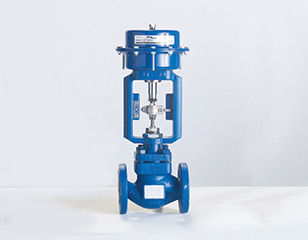
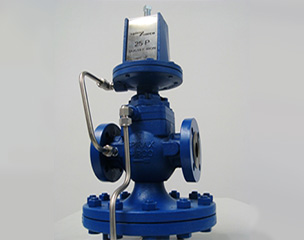
The 25P is a pilot operated pressure reducing valve for steam service, used to hold a steady downstream pressure irrespective of the flow drawn. The pilot senses downstream pressure and positions the main valve, so control remains accurate from full flow down to low demand.
It is the standard valve for let-down stations: reducing a 10 to 25 bar g main to 3 to 5 bar g for process equipment, heaters, tracing or a low pressure distribution network.
Design and construction
Main valve with a pilot valve mounted on the body, an adjusting screw for set pressure and a strainer protecting the pilot. The main valve seat is lapped for tight closure, and the diaphragm separates the steam from the adjusting spring.
Key features
- Accurate downstream pressure across the flow range
- High capacity for its size
- Tight closure at zero demand
- Set pressure adjustable on site
- Replaceable pilot and main valve internals
- Can be supplied as a complete reducing station
Selection and sizing
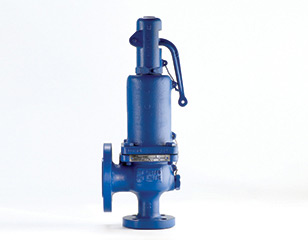
Size on maximum flow at minimum inlet pressure, then check control quality at minimum flow. Confirm inlet and outlet pressures, capacity in kg/h, and the steam condition. Always install a safety valve downstream to protect equipment rated below the inlet pressure.
Installation and maintenance
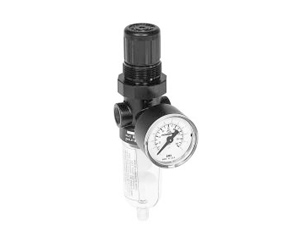
Install with a separator and strainer upstream, a safety valve downstream and pressure gauges either side. Provide isolating valves and a bypass. Commission by setting the downstream pressure under normal load, then check it at low load to confirm the valve holds.
Options and spare parts
Pilot assemblies, main valve seats, diaphragms and springs are available as spares.